
Thumb Sucking: How It Affects Your Child’s Teeth and Bite
Providing the orthodontic care and attention
we would want for our own family and friends.
Thumb sucking is a natural, comforting habit in young children. When it persists, however, repeated pressure on the teeth and palate can affect the developing bite and upper arch.
What changes can thumb sucking cause?
A prolonged habit can contribute to an anterior open bite (the front teeth do not touch when biting), protruding upper incisors, a narrow upper arch and sometimes a posterior crossbite. The extent of change depends on the frequency, duration and intensity of the habit.
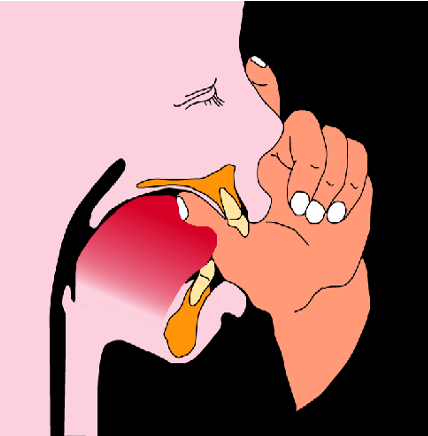
Side effects of thumb sucking past age 5
A real patient example: improvement within six months
This patient presented with a persistent thumb-sucking habit, an anterior open bite and a narrow upper arch. Treatment involved a palatal expander combined with a fixed thumb crib. The habit stopped immediately after the appliance was fitted, and the open bite corrected within six months.
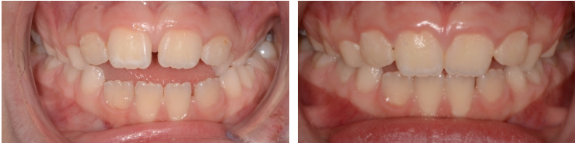
| Before treatment — anterior open bite and narrow upper arch | Six-month review — improved anterior bite and widened upper arch (palate) |
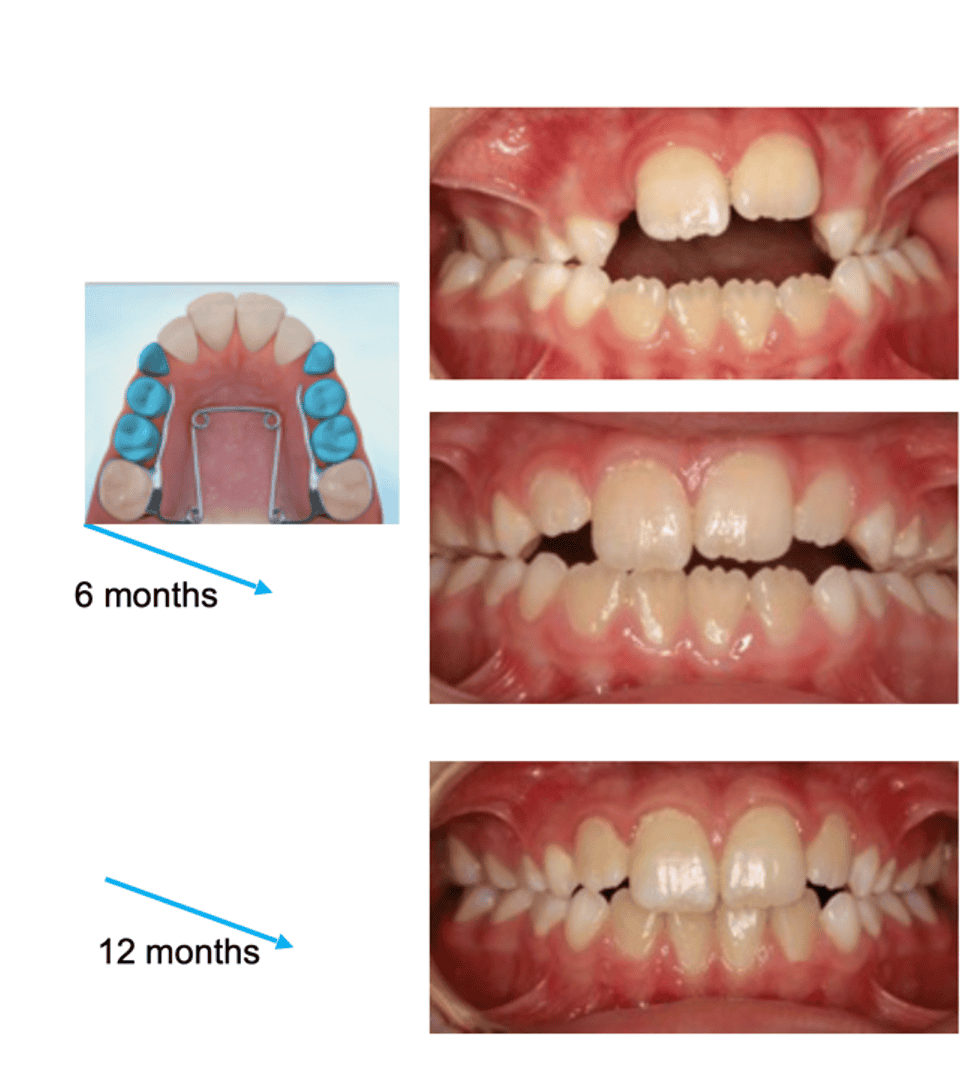
Clinical photographs are from the same patient. Individual outcomes vary. Publication should be subject to appropriate patient/parental consent.
What is a temporary thumb crib?
A thumb crib is a small fixed appliance placed temporarily behind the upper front teeth. It acts as a reminder and makes thumb sucking less comfortable. It also reminds the tongue to sit away from the front and helps reduce a forward resting tongue posture. It can be used with an expander when the upper arch also requires widening because expansion is often needed too due to a constricted upper arch. In some cases, an expander alone is sufficient.
Does every child need treatment?
No. Positive reinforcement, gentle reminders and reward charts may be enough. Some open bites improve after the habit stops, especially in younger children. However, a persistent crossbite or narrow upper arch generally requires early interceptive orthodontic treatment with an expander.
When should parents seek advice?
If thumb sucking continues beyond around four to five years of age, or if you notice a gap between the front teeth (open bite), protrusion or a crossbite, an orthodontic assessment can help determine whether to monitor, support habit cessation or consider early treatment.

By: Yana Itskovich, Specialist Orthodontist.
Yana is a registered dental practitioner since 2008, having completed Fellowship examinations and then specialist training at the University of Otago, New Zealand in 2016 and is co-owner of Camberwell Orthodontic Group.
More Articles:
Spark Aligners VS Invisalign VS Angel Aligners: Which Clear Aligner System Is Right for You?
Clear aligners have changed what people expect from orthodontic care. Instead of brackets and wires, people wear a series of…
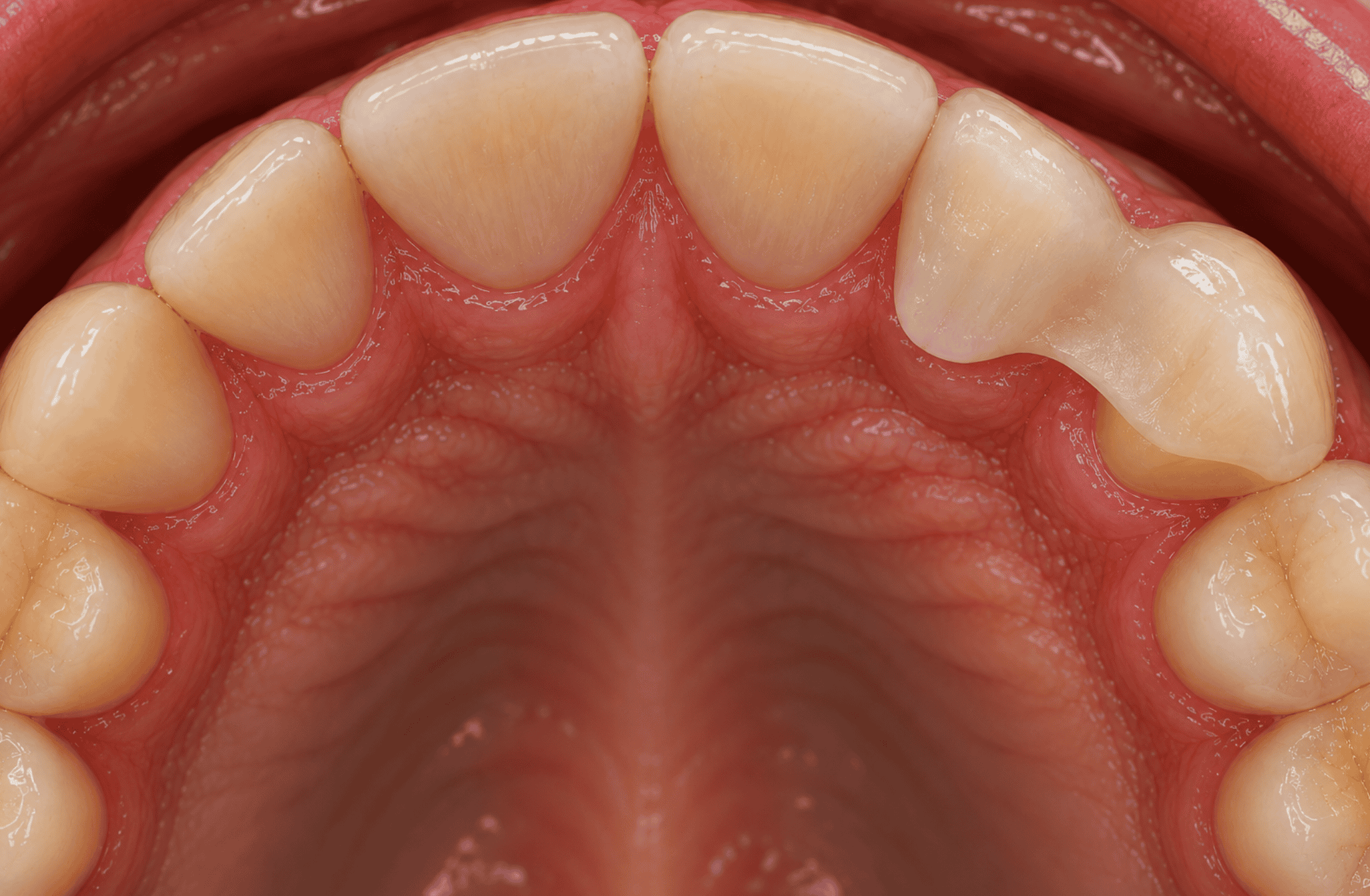
Missing Upper Lateral Incisor Teeth: A Guide for Parents and Patients
If your child’s dentist has mentioned that a lateral incisor, the tooth right next to the front two teeth, might…

Playing Instruments with Braces: A Guide for Brass and Woodwind Musicians
If you or your child plays in the school band and is about to start orthodontic treatment, the first question…

Protecting Your Child’s Smile: The Importance of Mouthguards for Sport
By Dr Yana Itskovich, Specialist Orthodontist As an orthodontist, one of my key priorities is helping patients protect their teeth…